RESEARCH FOCUS

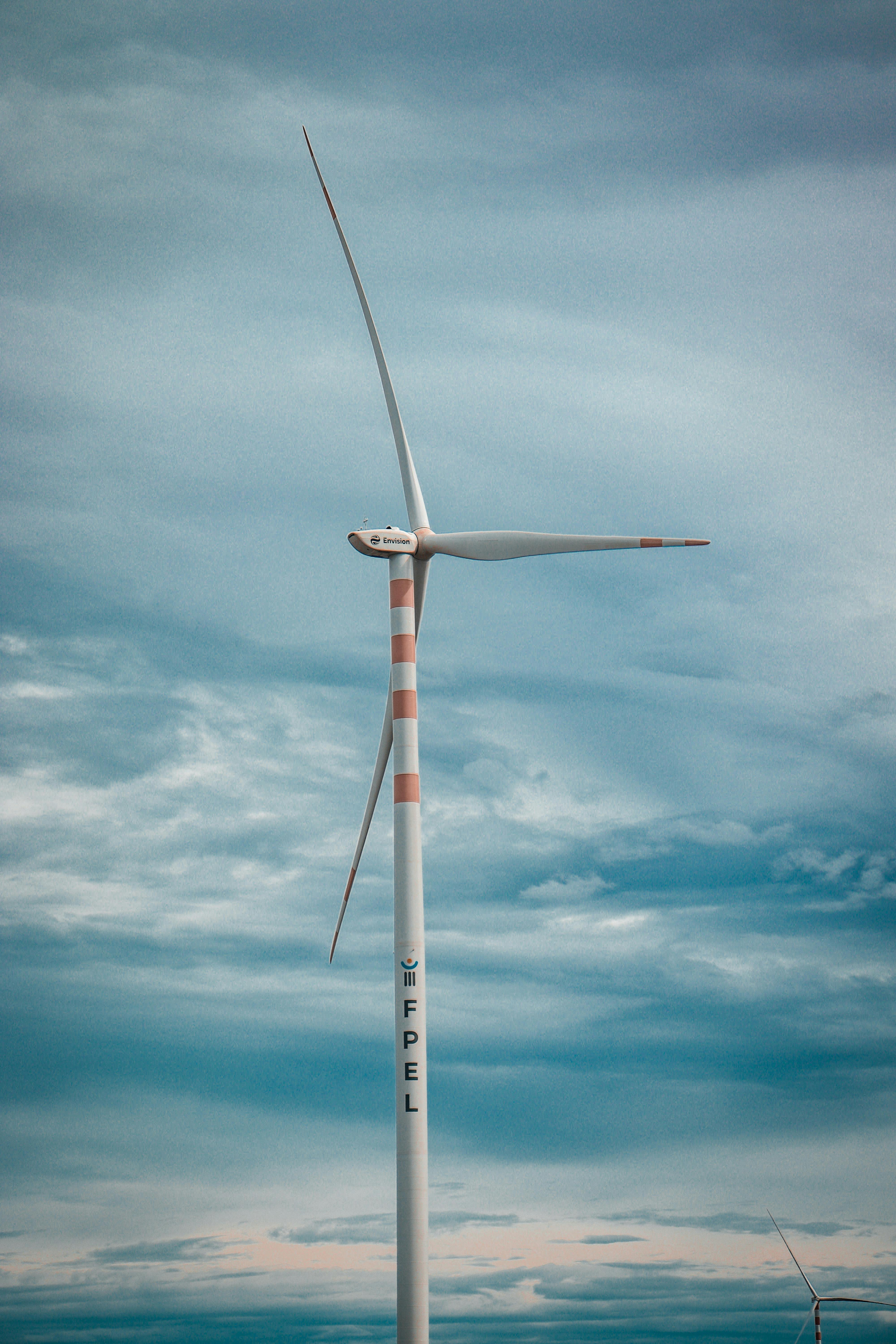
The research focus of SOLEA is related to numerical models and modern technologies for energy planning and solar system management, smart cities and grids, digital twins, computer science and big data, artificial intelligence, airborne wind energy generation systems, solar electric vehicles, unmanned aerial vehicles and climate development renewable decision-making services and applications.

THE CHALLENGE

The shift from fossil fuels to renewable energy is essential for tackling climate change and achieving the Sustainable Development Goals (SDGs). Among renewables, solar power stands out: abundant, versatile, and capable of transforming energy systems at both local and global scales. Yet unlocking its full potential requires overcoming significant hurdles.

A central challenge lies in integrating solar energy into existing infrastructures. Many nations remain dependent on fossil fuels, demanding major investments to modernize grids, expand storage capacity, and enhance solar technology efficiency. Reliable supply across seasons and daily cycles depends on these upgrades.

Solar’s intermittent nature adds complexity. Output fluctuates with weather and daylight, making advanced storage solutions indispensable. Affordable, efficient batteries and other innovations are critical to ensure steady power and maximize solar’s contribution.

Economic barriers also persist. Despite dramatic cost reductions over the past decade, upfront investments remain high—particularly in developing regions. Accessible financing mechanisms are vital to scale adoption. At the same time, the transition must be just: reskilling programs are needed to support workers moving from conventional energy sectors into the growing solar economy.

Finally, social acceptance and strong policy frameworks are key. Public perceptions often hinge on land use, aesthetics, and environmental impacts. Transparent engagement with communities and stakeholders builds trust, fosters acceptance, and paves the way for smoother implementation of solar initiatives.

HOW SOLEA CAN HELP

The transition from fossil fuels to renewable energy is pivotal for addressing climate change and achieving the Sustainable Development Goals (SDGs). Among renewable sources, solar energy holds particular promise: abundant, versatile, and capable of transforming energy systems worldwide. Yet unlocking its full potential requires overcoming technological, economic, and social challenges — from integrating solar into existing infrastructures and managing intermittency, to ensuring fair financing and building public trust.

A Platform for Innovation

The National Observatory of Athens (NOA), supported inter alia by the research project ThinkingEarth (Copernicus Foundation Models for a Thinking Earth), funded by the European Union Agency for the Space Programme (EUSPA) under Horizon Europe, provides a suite of innovative services and solutions that assist decision‑making in the energy sector.

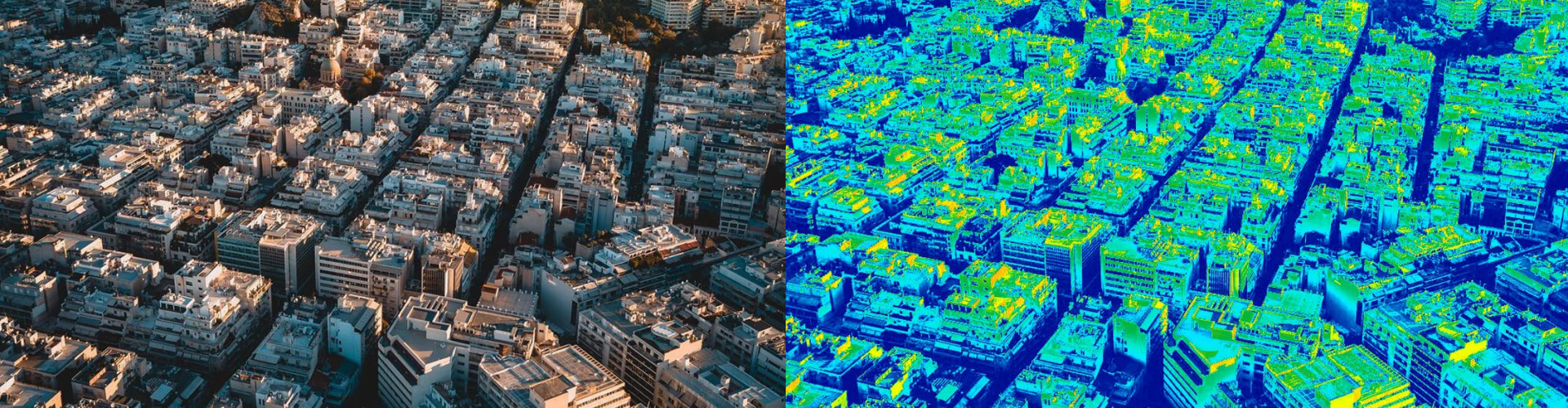
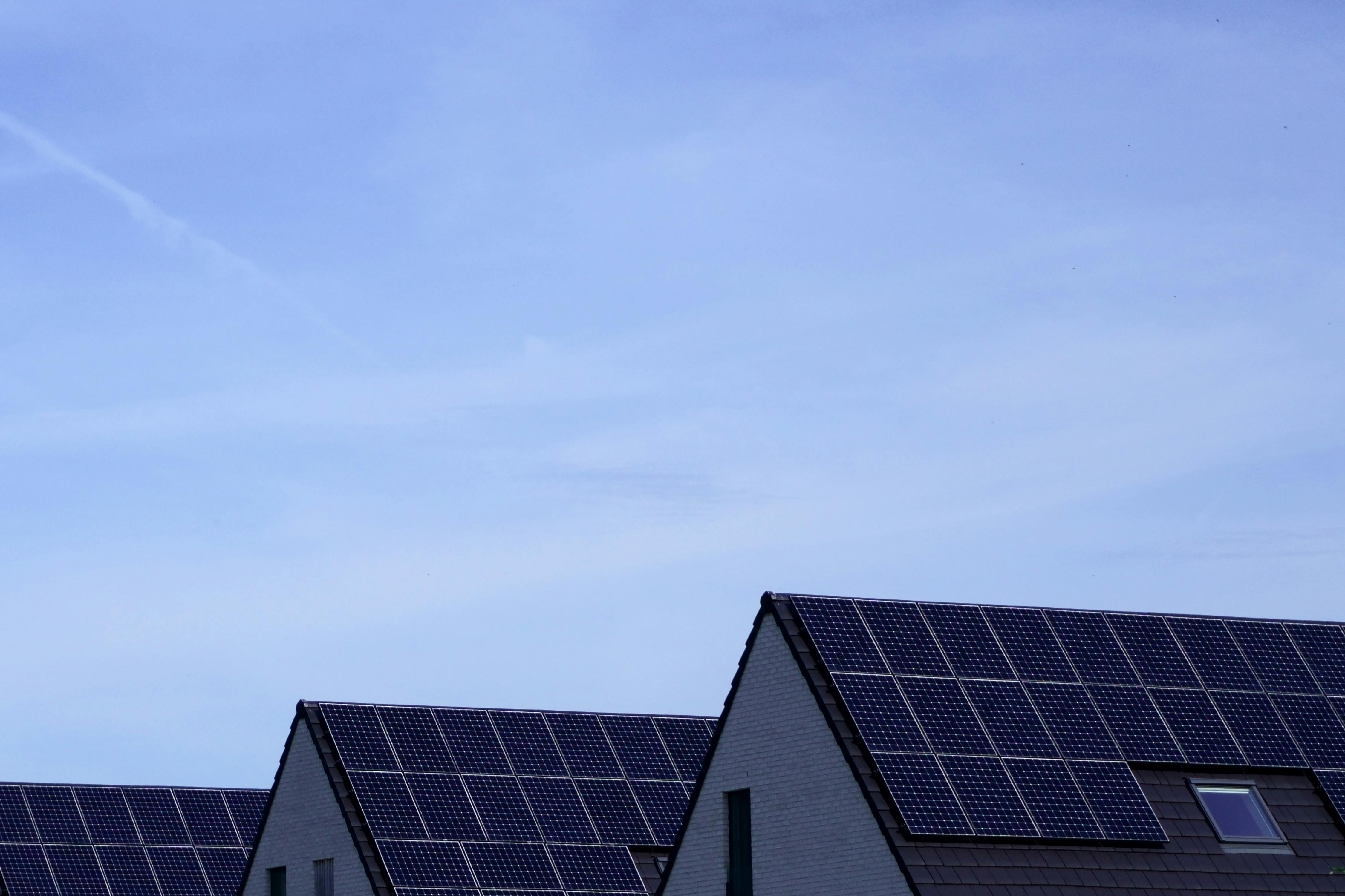
Within this framework, the Renewable Energy Applications group SOLEA of the Institute for Environmental Research and Sustainable Development (IERSD/NOA) is developing the first solar cadastre for the entire Greek territory. This cadastre offers a geometric mapping of solar energy potential at the level of each urban block, based on rooftop photovoltaic installations. It highlights how modern Earth‑observation data and methods can drive climate adaptation and mitigation, while keeping social cohesion at the forefront.

Planning and Management

Solea delivers value in two primary ways:

  • Planning: Identifying optimal sites for solar parks and rooftop systems, evaluating atmospheric conditions, and predicting generation potential exploiting Earth Observation data and methods.

  • Management: Supporting operators and grid managers with short‑ and medium‑term forecasts of solar output, ensuring efficient dispatch and grid stability.

The platform combines high‑resolution interdisciplinary datasets, advanced visualization systems, radiation propagation models, and cloud‑based supercomputing architectures. It operates both climatologically and in real time, facilitating urban planning, supporting distribution managers, and enabling effective integration into smart grids.

Global Reach

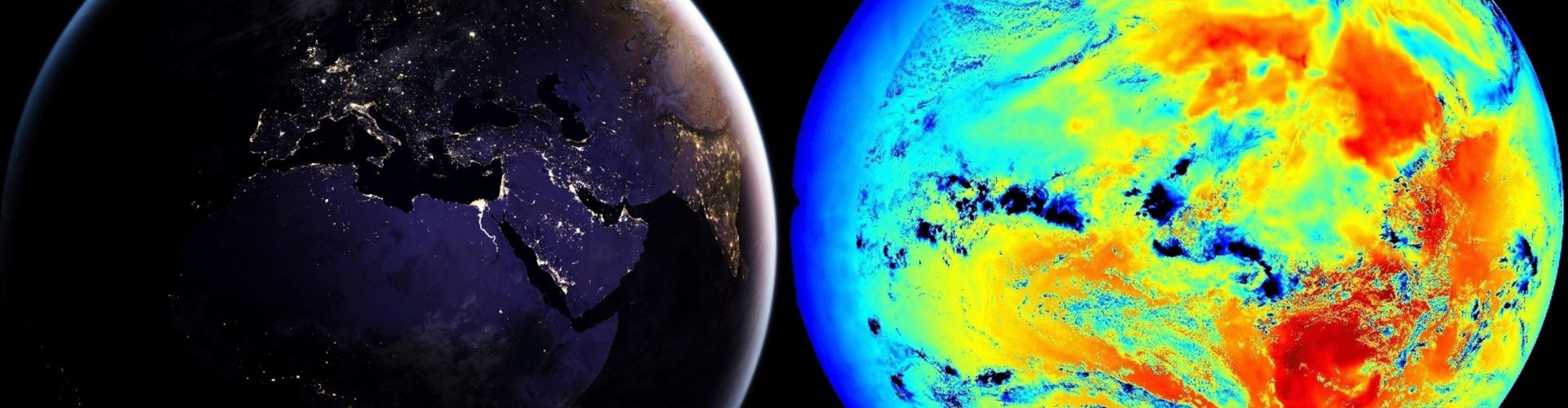
Through the SOLEARTH service, Solea provides remote monitoring and forecasting (±6 hours) of distributed photovoltaic energy production on a global scale. Using satellite, ground‑based, and large‑scale simulation data, combined with machine learning and digital twin technologies, this operational solution offers a targeted alternative for energy planning and management worldwide.

Potential users include transmission and distribution operators, producers and investors, as well as policy makers shaping energy transition strategies. Key applications of SOLEARTH include:

  • Building resilience and self‑sufficiency in vulnerable countries facing climate change.

  • Efficient integration of solar energy into local and regional grids.

  • Expanding renewable penetration to combat energy poverty.

  • Increasing the share of solar systems in total energy supply for a sustainable, human‑centered future.

Partnerships and Global Coverage

Solea’s services are already being tested in Greek and Austrian energy communities and net-zero buildings, in Egypt focusing on the Benban Solar Park, in the Mediterranean countries, in Sub-Saharan Africa, Latin America, the Caribbean, and Pacific States (ClimSA).

Solar_Cadastre

WHO IS CONCERNED?

IERSD/NOA provides the Solea service mainly to governmental and organisational bodies involved in energy projects, especially solar energy. For instance, Solea works with Austrian energy community management organisations on the EUSPA project, called ThinkingEarth. This partnership focuses on the management and monitoring of local energy communities, potentially helping to optimise renewable energy initiatives, promote the penetration of rooftop solar photovoltaics at urban scale and ensure regulatory compliance. Through this collaboration, Solea’s services support the planning, management and monitoring of energy projects within Austrian communities.

As an example of its roll-out to countries and regions beyond Europe, Solea has entered a cooperation with the Egyptian Ministry of Electricity and renewable Energy, playing a critical role in the development and management of existing and new solar park projects. A recent outcome of this collaboration is the energy planning optimization and management of the Benban Solar Park in the framework of the CiROCCO project. This solar park is one of the largest solar installations in the world producing in an annual basis almost 3.8 TWh, which illustrates the large-scale impact of Solea’s support to Egypt’s renewable energy expansion.

WHAT ARE THE BENEFITS?

Solea offers significant benefits across multiple sectors and types of benefits. It can help renewable energy developers from the private sector as well as planning bodies from e.g. ministries or agencies by providing comprehensive information and actionable insights to decide on the location of solar energy parks and make predictions of the energy output and thus its profitability. For governments and public authorities, the information can aid in the planning process and more effective land and territorial management. The benefits are diverse, reaching from economic and entrepreneurial to regulatory and policy benefits.

Digital_Twin

EXTENDED IMPACT

The use of Solea can be significantly extended geographically and to new user markets beyond the renewable energies market. Besides government agencies and regional authorities focused on energy policy, the private sector comprising utilities, developers and consulting firms may find value in the Solea service and its project planning support, enabling them to select optimal sites, maximise energy output and integrate solar projects with traditional energy sources. NGOs and international development agencies may also rely on Solea to support renewable energy initiatives in emerging markets, helping governments and communities build sustainable energy infrastructure.

Find us on X

Rooftop #Solar #Photovoltaic Potential in #Polluted #Indian Cities: Atmospheric and #Urban Impacts, #Climate Trends, Societal Gains, and #Economic Opportunities

✍️ Davender Sethi and Panagiotis G. Kosmopoulos
🔗 https://brnw.ch/21x31Q4

Wind energy on Mars?
A new study explores autonomous kite based systems that can generate stable, dust resilient power for future human missions.
A fresh alternative to solar and RTGs for long duration exploration.
@NASA @SpaceX @elonmusk
🔗 https://doi.org/10.1016/j.egyai.2026.100770

Green Hydrogen Production to Mitigate Renewable Energy Curtailment in the Greek Grid https://www.mdpi.com/3881818
@YpenGr @EAA_NOA @IEA @REN21 @H2Europe @GreeceHydrogen @gh2org @energies_mdpi

Similarity-based solar power forecasting: A technical advance for global energy systems
https://doi.org/10.1016/j.egyai.2026.100761
@ElsevierConnect @IEA @REN21 @GSolarCouncil @RenewablesNews @CopernicusECMWF @UNEP

Load More

Contact Us

Dr. Kosmopoulos Panagiotis
SENIOR RESEARCHER
 

Institute for Environmental Research and Sustainable Development, National Observatory of Athens (IERSD/NOA), Greece

Scroll to Top