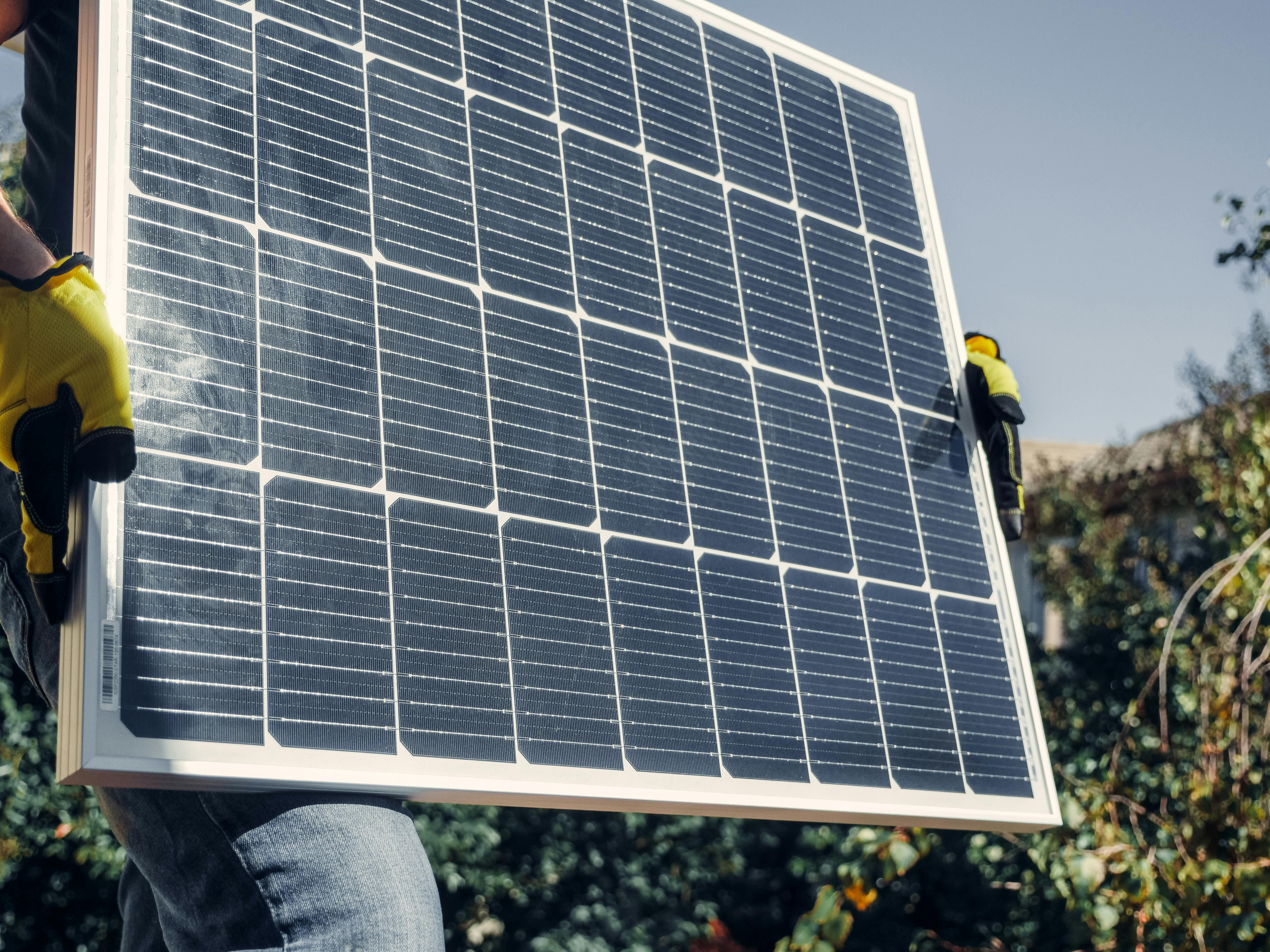
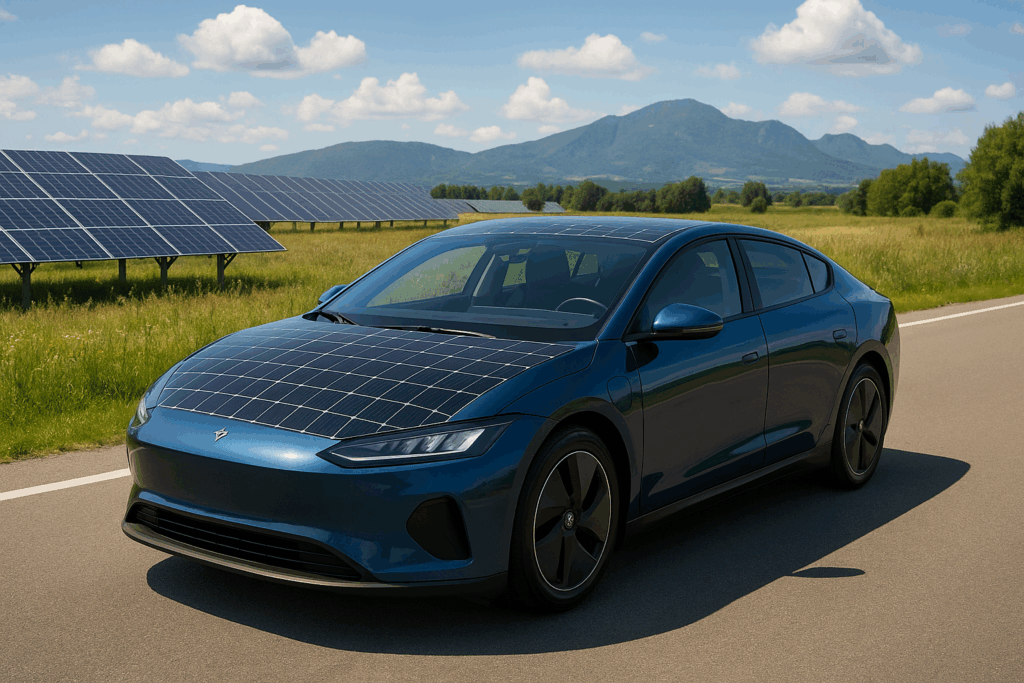
Evaluation and experimental performance measurement photovoltaic panels [1], optimizing the operation of large-scale solar parks [2], penetration of scattered photovoltaics in cities at the level of building roofs ([3], [4], [5]), development ad application of airborne wind power geneation systems ([6], [7], [8], [9]), solar electric cars ([10], [11]) and unmanned inspection vehicles and maintenance of photovoltaic and solar thermal systems [12].
Development of digital twins for solar energy applications aimed at exploitation and penetration of photovoltaic systems from level city [1] to global scale and coverage [2]. The term “digital twin” refers to a virtual model of a real system and hence, a digital twin for urban solar applications scale dynamically represents distributed electricity generation from photovoltaic systems. The results will support the download decisions towards a gradual energy transition strategy, promoting the transformation of existing urban tissues into “smart” sustainable energy cities [3].
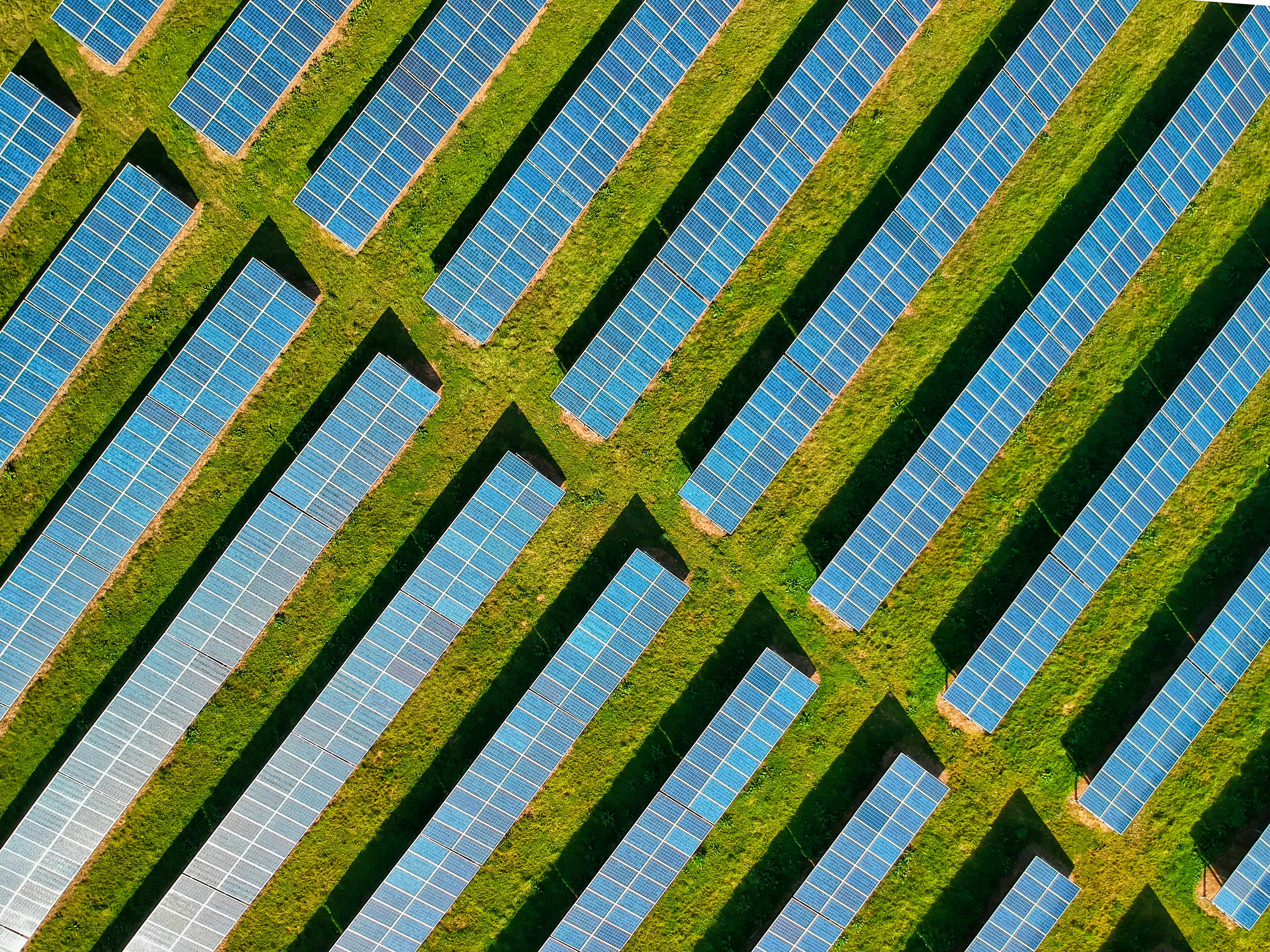
It was developed for Magdi Yacoub’s clinic in Aswan, Egypt detailed business plan for the implementation of an integrated project of renewable sources with a nominal power of 50 MW. I was responsible for them energy calculations and simulations, as well as for the scenarios installation of the solar park.The size of the project will cover in addition to energy needs of the clinic, and the city of Aswan contributing significantly in the mix of energy sources (supply of 128 GWh on an annual basis). [1]
Development of technology with which production is attempted and evaluated energy using kites. The aim of this solution is to reduce of the production cost of wind energy but also its utilization both in remote areas as well as in urban environments.The power tying o the kite which is also the basic production mechanism of energy was measured experimentally while engineering models were applied learning in order to estimate performance under both constant and turbulent wind conditions ([2], [3], [4])
Development and use of radiation propagation simulation software for estimating and forecasting solar radiation and energy potential in real time ([1], [2], [3]), 3D ray tracing in a variety of urban environments using synchronous graphics creation platform [4] for determining the effect of relie on layers of energy production from potovoltaics on the roofs [5], application of causal and probabilistic methods predictive methods ([6], [7]).
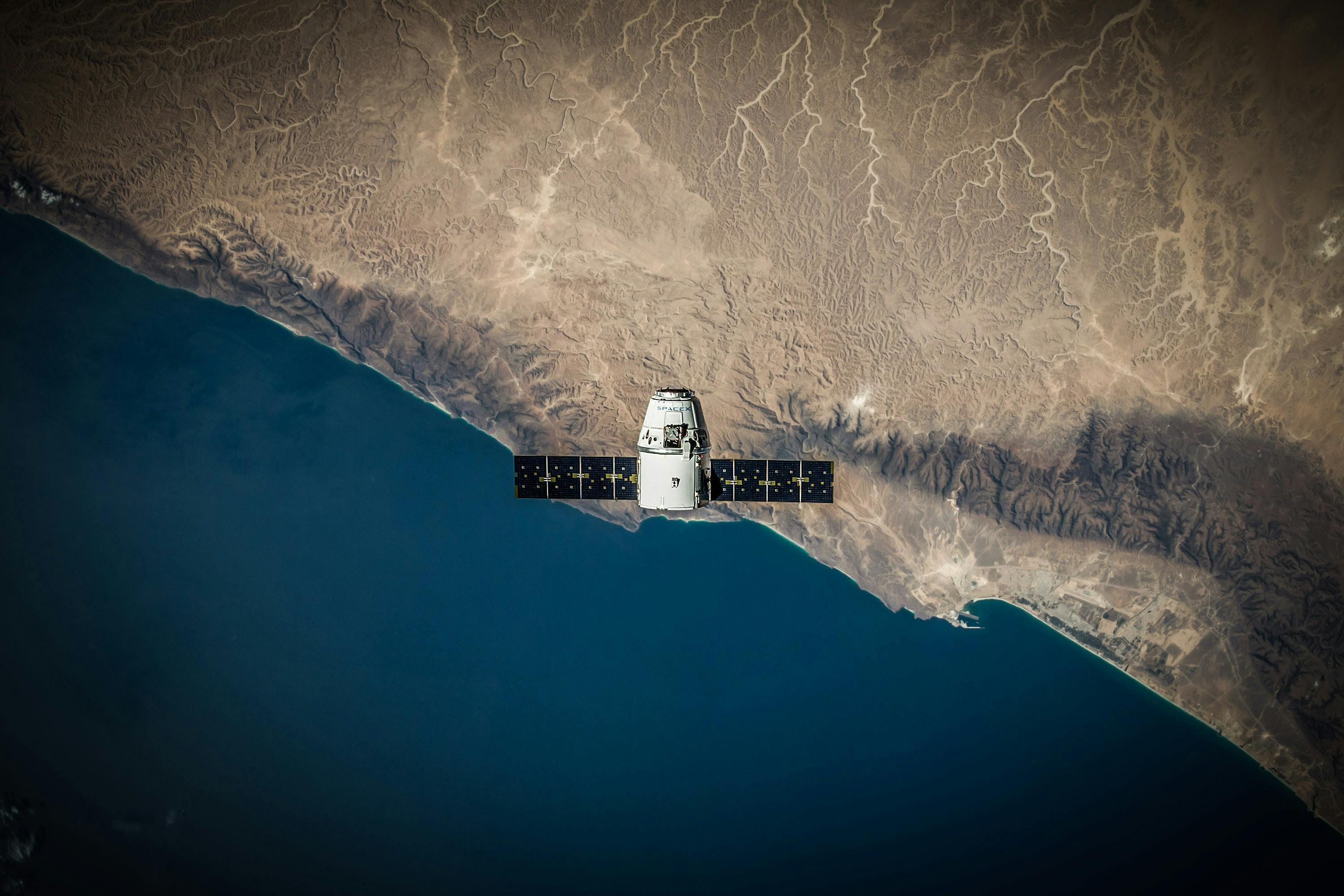
Utilization of geo-observation data for renewable energy applications. Focus on the set of weather satellites as well and in the atmospheric monitoring service Copernicus [1], where within the framework of the strategy decision to offer new solutions to support renewable energy sources, there is interest in utilizing solar energy software and application technologies.
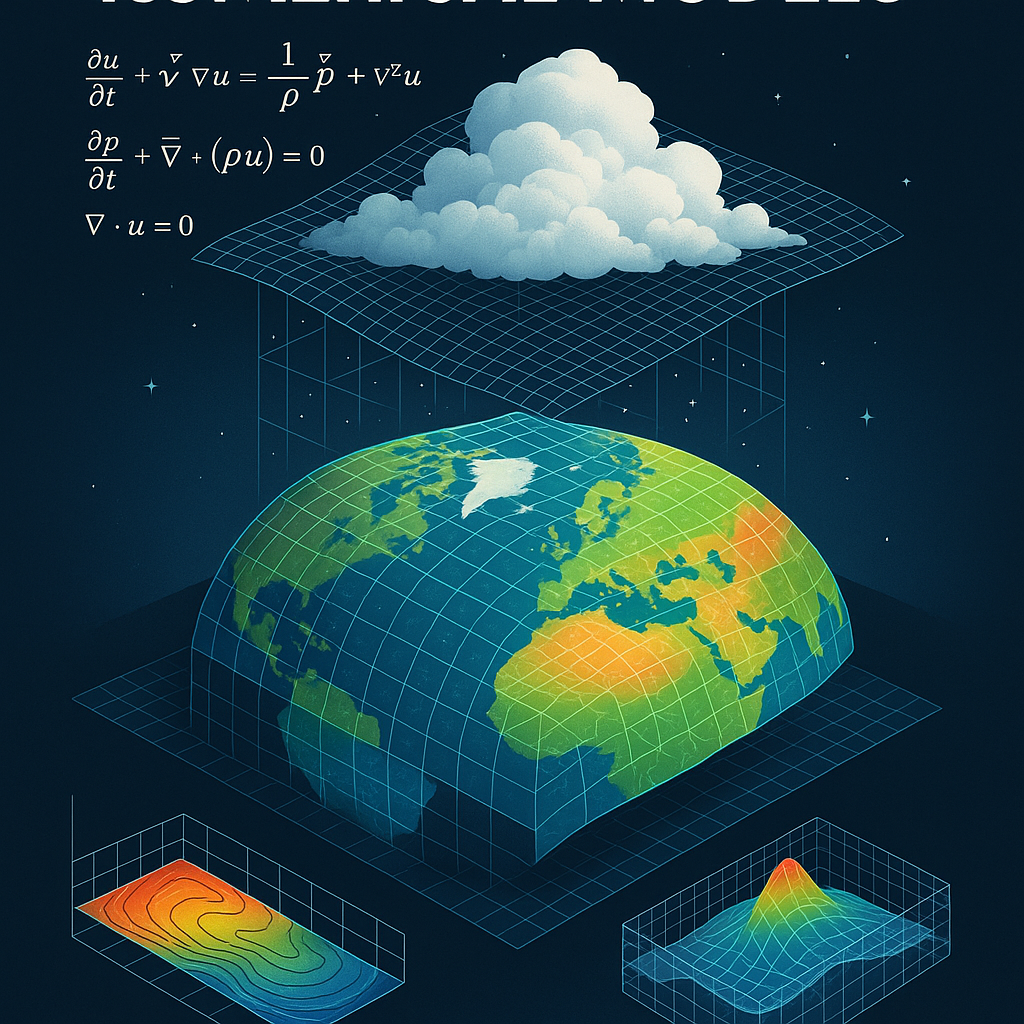
Multi-layered determining the microphysical and optical properties of clouds for accuracy optimization simulations and predictions of radiation propagation [1]. Cloud effect ([2], [3], [4]), aerosols ([5], [6], [7], [8], [9], [10], [11]) and shading ([12], [13], [14]) in solar radiation (ultraviolet and total) and energy.
Holistic approach to continuous monitoring and forecasting of distributed electricity generation from photovoltaic systems with the use of geo-observation methods, for intelligent energy transition and security decision-making [1]. Development of business plans for exploitation of solar systems [2], climate systems maps in the form of an atlas of renewable energy sources [3], smart grids, systems management of transmission and distribution of energy produced from renewable sources in local (smart cities) and regional scale (states, cross-border applications), autonomous energy islands [4].
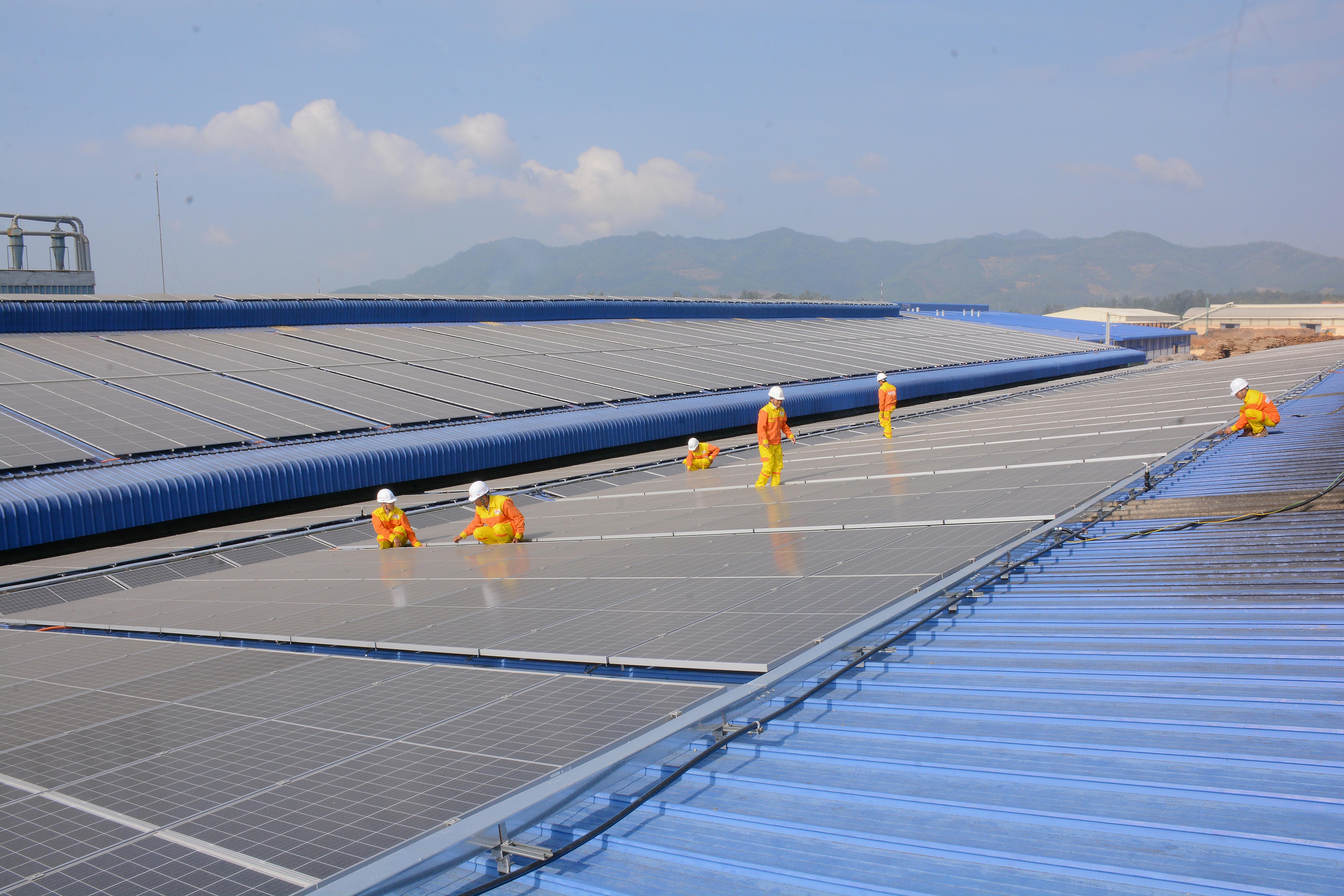
Study of strategies and course of cities and municipalities (in Greece and abroad) towards the weaning off of fossil fuels and the energy transition to renewable sources, penetration of scattered photovoltaic systems on the roofs of buildings [1]. Development solar cadastral applications as well as digital twins for the convenience of citizens planning, supporting green energy distribution managers and integration in electric smart networks [2].
Exploiting architectural supercomputing systems and cloud for large-scale distributed computing (30-40 Teraflops) and big data management (3-5 Terabytes/day) for applications supporting renewable sources energy ([1], [2]). Replacing CPU cores withgraphics processing unit (Cuda cores) for computationally expensive digital applications twins [3], multi-level computer vision predictive techniques ([4], [5]) and convolutional neural networks ([6], [7], [8]).
Development of climate services that on renewable energy sources in developing countries to support uptake decisions regarding their optimal use and application ([1], [2], [3], [ 4]). Use of contemporary technologies and tools to build regional resilience to climate change and the role of geospatial services in the formulation of energy transition and security policies [5].