SOLAR ENERGY APPLICATIONS (SOLEA)
RESEARCH FOCUS
The research focus of SOLEA is related to numerical models and modern technologies for energy planning and solar system management, smart cities and grids, digital twins, computer science and big data, artificial intelligence, airborne wind energy generation systems, solar electric vehicles, unmanned aerial vehicles and climate development renewable decision-making services and applications.
THE CHALLENGE
The transition from fossil fuels to renewable energy is pivotal for addressing climate change and achieving the Sustainable Development Goals (SDGs). Among renewable sources, solar energy holds particular promise due to its widespread availability and potential for significant impact on both local and global scales. However, several challenges must be navigated to fully realise solar power’s potential in this transition.
One major challenge is the technological integration of solar energy into existing energy infrastructures. Many countries still rely heavily on fossil fuels, necessitating substantial investments to develop the necessary systems for harnessing and distributing solar energy effectively. This includes enhancing grid capacities, creating efficient energy storage solutions, and improving solar technology efficiency to manage the variability of sunlight effectively and ensure a reliable energy supply throughout the day and across seasons.
Specifically, solar energy faces challenges related to its intermittent nature, meaning that energy production can fluctuate based on weather conditions and time of day. This intermittency requires advanced storage solutions, such as batteries, to ensure a consistent power supply. Developing affordable and efficient storage technologies remains a critical hurdle in maximising solar energy’s potential.
Economic barriers also pose significant challenges. While the cost of solar technologies has decreased dramatically over the past decade, the initial capital investment for solar installations can still be high, especially in developing countries. Ensuring that financing mechanisms are accessible and supportive of solar projects is essential to facilitate widespread adoption. Moreover, the transition may lead to job losses in conventional energy sectors, necessitating reskilling initiatives for workers to engage in the burgeoning solar market, ensuring a just transition for affected communities.
Social acceptance and robust policy frameworks are crucial for solar energy’s successful deployment. Public perception of solar projects can vary, often influenced by concerns over land use, aesthetics, and environmental impacts. Engaging communities and stakeholders in the planning and management process can foster acceptance and support, enabling smoother implementation of solar initiatives and building trust.
HOW SOLEA CAN HELP
The solar energy applications and services (Solea) of the IERSD/NOA is an advanced platform designed to enhance solar energy forecasting and management through the integration of atmospheric data and modelling. At its core, Solea utilises data from the Copernicus Atmosphere Monitoring Service (CAMS) and the Copernicus Climate Chamge Service (C3S), which provides essential information on atmospheric conditions such as cloud cover, aerosol concentrations, and solar radiation, as well as climatic predictions and trends.
Solea serves two primary purposes: first, it supports planning by identifying optimal locations for solar parks, determining where installations would be most useful and profitable. By leveraging CAMS and C3S data, Solea can analyse atmospheric conditions and predict solar energy generation potential across different regions, helping stakeholders make informed decisions about site selection.
Second, once solar parks are installed, Solea aids in their management. It enhances operational efficiency for solar park owners and grid operators by providing reliable short-term and medium-term forecasts of solar power production. This capability is particularly critical as solar generation is highly dependent on weather variables. With real-time atmospheric insights, Solea can model how different weather conditions impact energy output, facilitating better dispatch management and grid stability.
Solea employs sophisticated algorithms, advanced graphic systems and AI techniques to analyse CAMS data alongside historical solar energy production data. This combination allows the service to predict variations in solar generation under different atmospheric scenarios, enhancing the reliability of forecasts. Furthermore, Solea continuously updates its models with incoming CAMS and C3S data, ensuring that its forecasts remain accurate and relevant as weather conditions change.
The service provides open, web-based access for project partners and access through FTP URLs for operational users. Currently, the service is rolled out to and tested by new partner countries in Africa, Latin America, Caribbean and Pacific States to demonstrate its value and benefits to users in the framework of the ClimSA initiative. Solea recently entered a new cooperation with Nvidia to create a global digital twin for solar energy applications based on its Solearth service. In addition to that, a cooperation is planned together with Google for a global solar cadastre tool.
Compared to other potential data sources, such as EUMETSAT’s geostationary satellite, which have also been tested, CAMS AND C3S provides global coverage, making it a superior data source with greater geographic coverage and scalability across Europe, the MENA region, Africa and South America, to which the service is planned to be rolled out.
WHO IS CONCERNED?
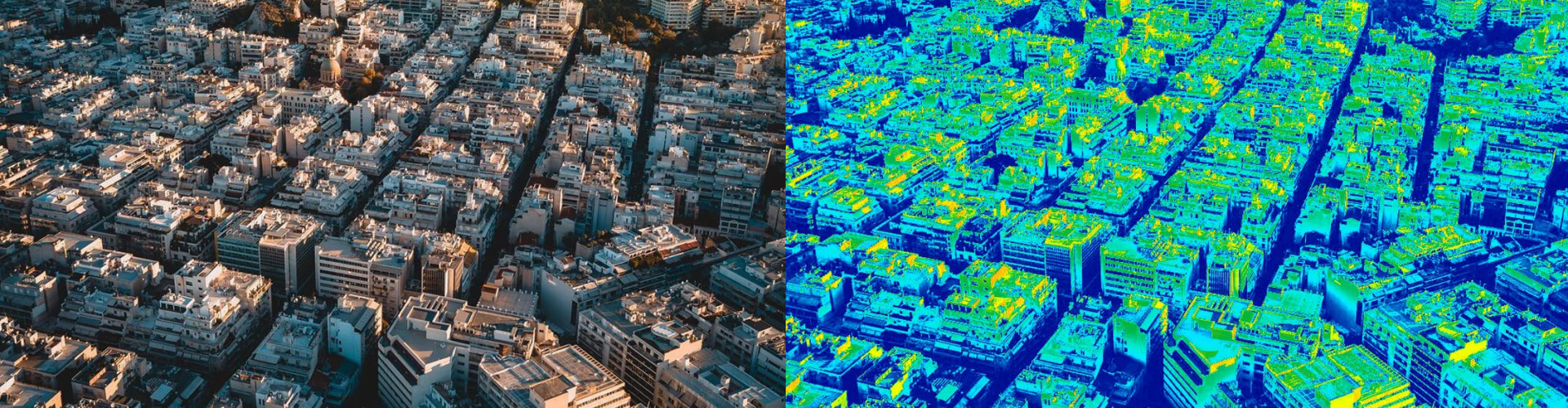
IERSD/NOA provides the Solea service mainly to governmental and organisational bodies involved in energy projects, especially solar energy. For instance, Solea works with Austrian energy community management organisations on the EUSPA project, called ThinkingEarth. This partnership focuses on the management and monitoring of local energy communities, potentially helping to optimise renewable energy initiatives, promote the penetration of rooftop solar photovoltaics at urban scale and ensure regulatory compliance. Through this collaboration, Solea’s services support the planning, management and monitoring of energy projects within Austrian communities.
As an example of its roll-out to countries and regions beyond Europe, Solea has entered a cooperation with the Egyptian Ministry of Electricity and renewable Energy, playing a critical role in the development and management of existing and new solar park projects. A recent outcome of this collaboration is the energy planning optimization and management of the Benban Solar Park in the framework of the CiROCCO project. This solar park is one of the largest solar installations in the world producing in an annual basis almost 3.8 TWh, which illustrates the large-scale impact of Solea’s support to Egypt’s renewable energy expansion.
WHAT ARE THE BENEFITS?
Solea offers significant benefits across multiple sectors and types of benefits. It can help renewable energy developers from the private sector as well as planning bodies from e.g. ministries or agencies by providing comprehensive information and actionable insights to decide on the location of solar energy parks and make predictions of the energy output and thus its profitability. For governments and public authorities, the information can aid in the planning process and more effective land and territorial management. The benefits are diverse, reaching from economic and entrepreneurial to regulatory and policy benefits.
EXTENDED IMPACT
The use of Solea can be significantly extended geographically and to new user markets beyond the renewable energies market. Besides government agencies and regional authorities focused on energy policy, the private sector comprising utilities, developers and consulting firms may find value in the Solea service and its project planning support, enabling them to select optimal sites, maximise energy output and integrate solar projects with traditional energy sources. NGOs and international development agencies may also rely on Solea to support renewable energy initiatives in emerging markets, helping governments and communities build sustainable energy infrastructure.